Early Childhood Learning with the Montessori Lock Box Toy
Sep 22, 2022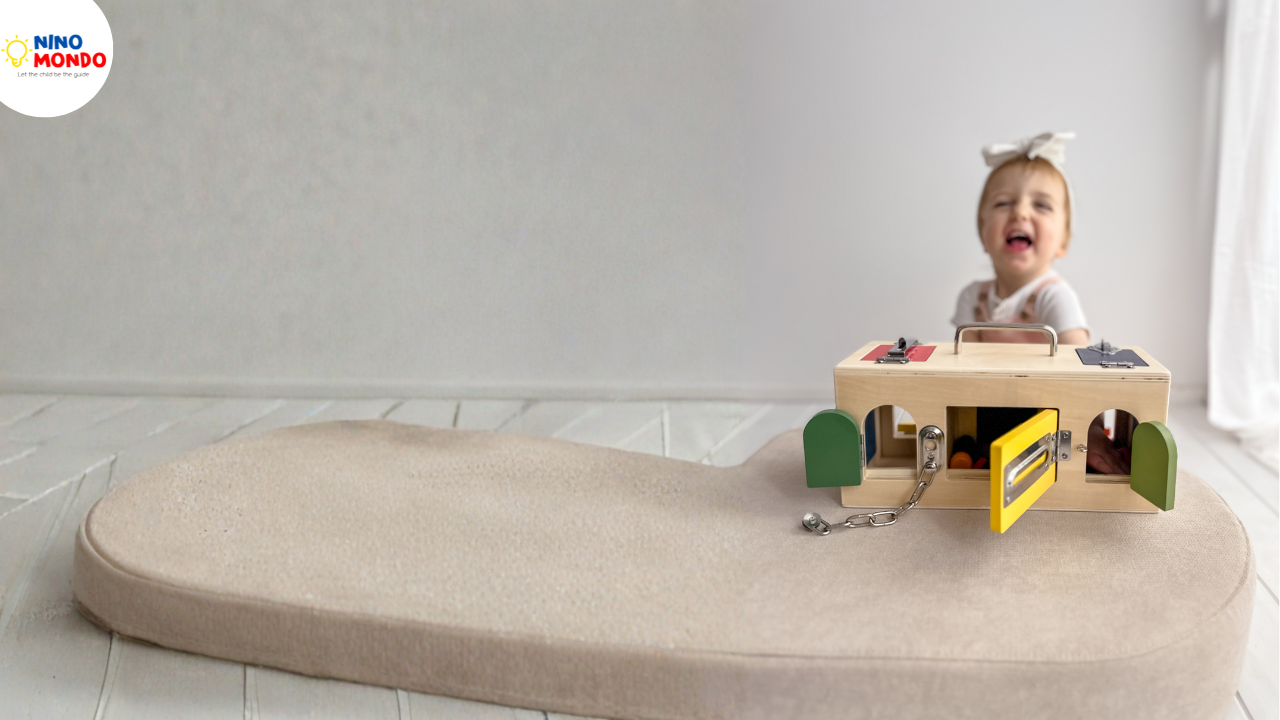
When it comes to choosing the best toys for our little ones, parents often stumble upon the Montessori lock box, a hidden gem that may not be an obvious choice at first. However, once they see their bubs engrossed in play with the Montessori lock box toy, they are amazed by the hours of entertainment it provides.
The Montessori lock box is no ordinary toy; it offers a unique and enriching playtime experience. Designed with various latches that progress from easy to complex, this toy not only entertains but also challenges your child, fostering resilience and persistence – qualities that will serve them well in life.
One of the key benefits of the Montessori lock box toy is its ability to develop problem-solving skills in young minds. As children engage with this brain-building activity, they gain an understanding of how things work and eagerly unlock its mysteries.
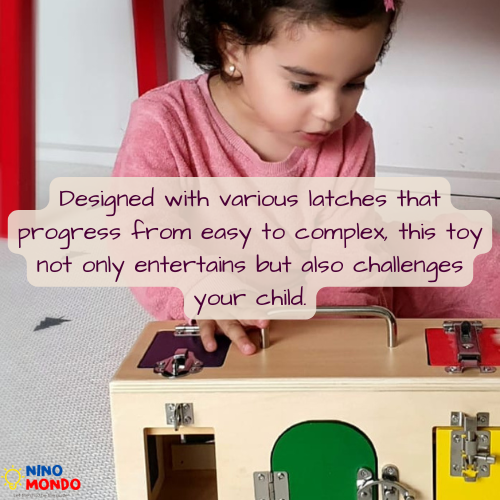
What sets the Montessori lock box apart is its simplicity in design. With aesthetic colors and no distracting prints or pictures, children can fully focus on the task at hand – unlocking, opening, and closing the latches with precision and dexterity in their little hands and fingers.
As a parent, witnessing your child's sense of accomplishment and self-pride when they successfully unlock the Montessori lock box is a priceless moment. It's a testament to their growing abilities and a joyful experience to share with them.
The Montessori lock box is made from natural materials, ensuring your child's safety while they explore and play. With non-toxic paint and glue, these Montessori toys prioritise your child's well-being.
Want to know more about how Montessori will help your child? Click here.
FAQs
1: What is a Montessori Lock Box?
A small box with various latches, locks and compartments designed for children to explore and open.
2: What age range is it suitable for?
Typically for toddlers and pre-schoolers (around 2-5 years), depending on the complexity of the locks.
3: What skills does it build?
Fine motor skills, hand-eye coordination, concentration, patience, problem-solving and independence.
4: How should I introduce it at home?
Model the action once, then step back and let your child attempt it freely, with minimal interruption.
5: Why is this activity aligned with the Montessori method?
Because it supports self-directed learning, control of error, and real-life tasks in a playful way.
Don't miss a beat!
New moves, motivation, and classes delivered to your inbox.
We hate SPAM. We will never sell your information, for any reason.