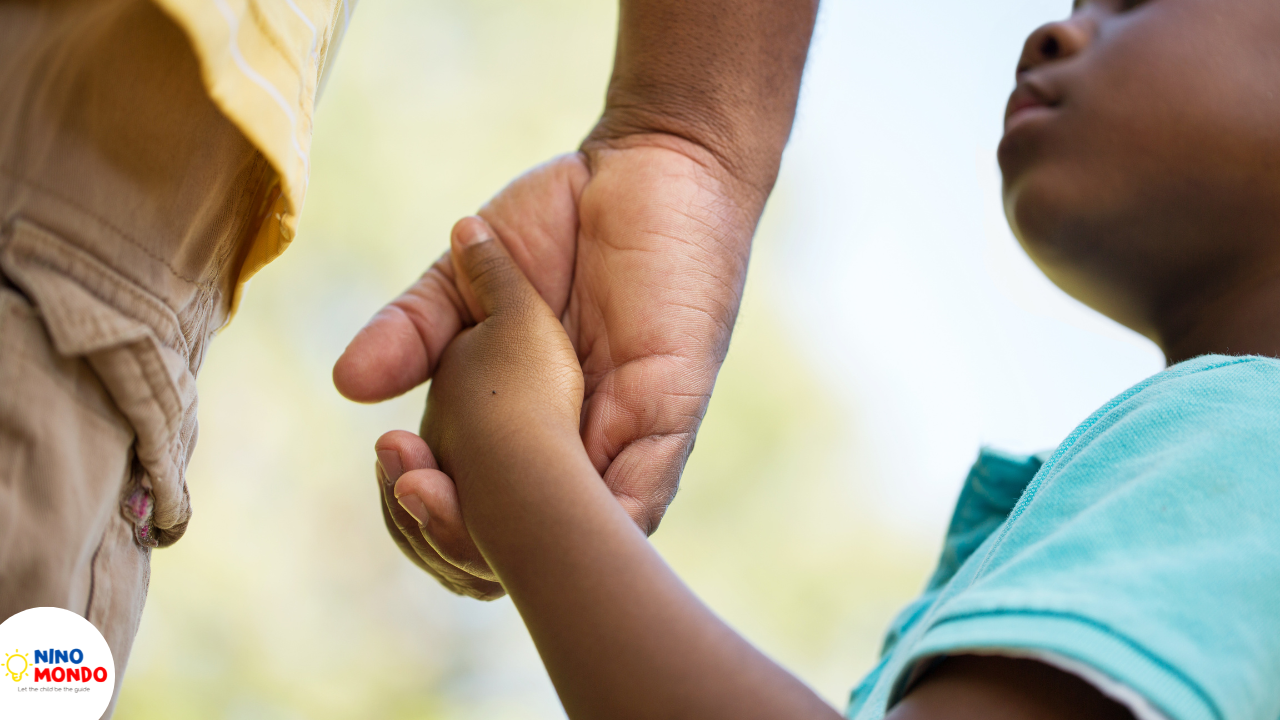
You know those heart-melting moments when daddy makes silly faces just to hear his baby giggle? Or when he rocks the baby to sleep while humming a tune he made up on the spot? It turns out that those aren’t just sweet gestures—they are little power moves in the world of early childhood development.
...
While many of you have heard about Montessori, very few actually know how hassle-free and simple it is. Yes, it is an educational philosophy that focuses on child-led, hands-on learning within a thoughtfully prepared environment, but at its core, there is much more than just Montessori toys.
It wa...
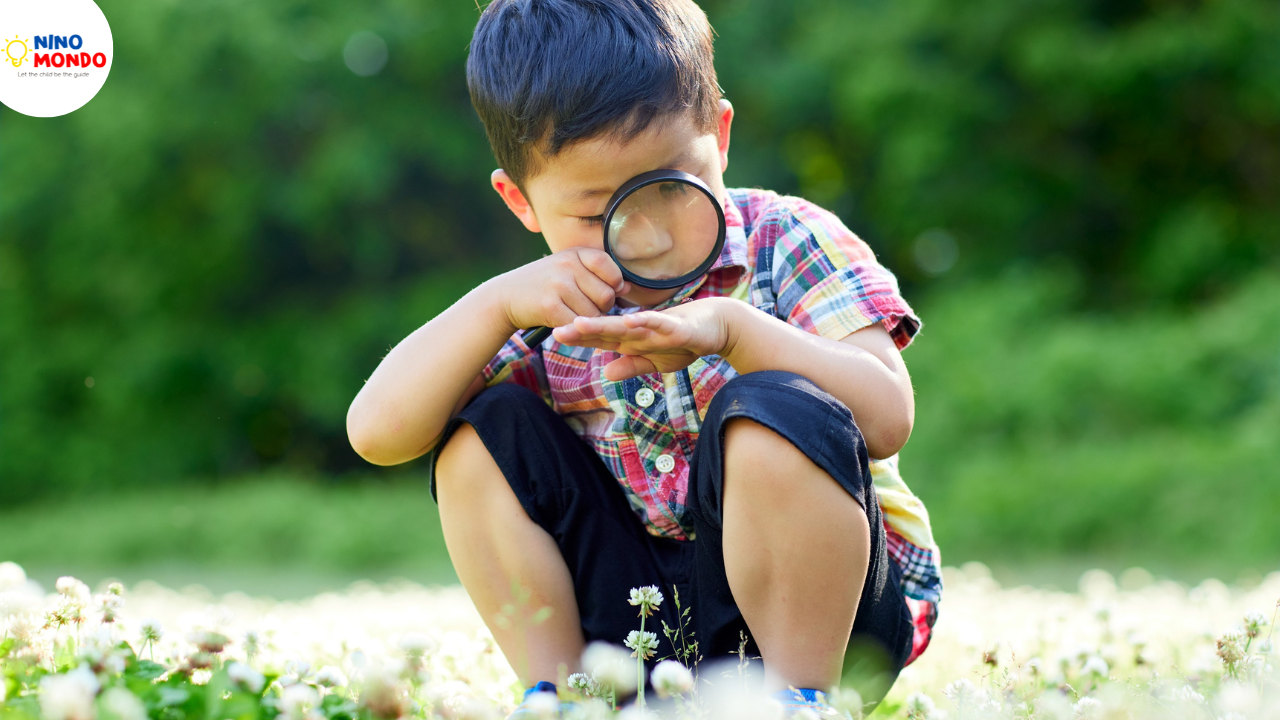
As a parent, it can be challenging to navigate those moments when your child seems to be testing every limit and pushing every boundary. Maybe they’re throwing food off their highchair, tearing paper into tiny bits, or lining up toys in an endless row. It’s easy to think, “Why is my child behaving s...
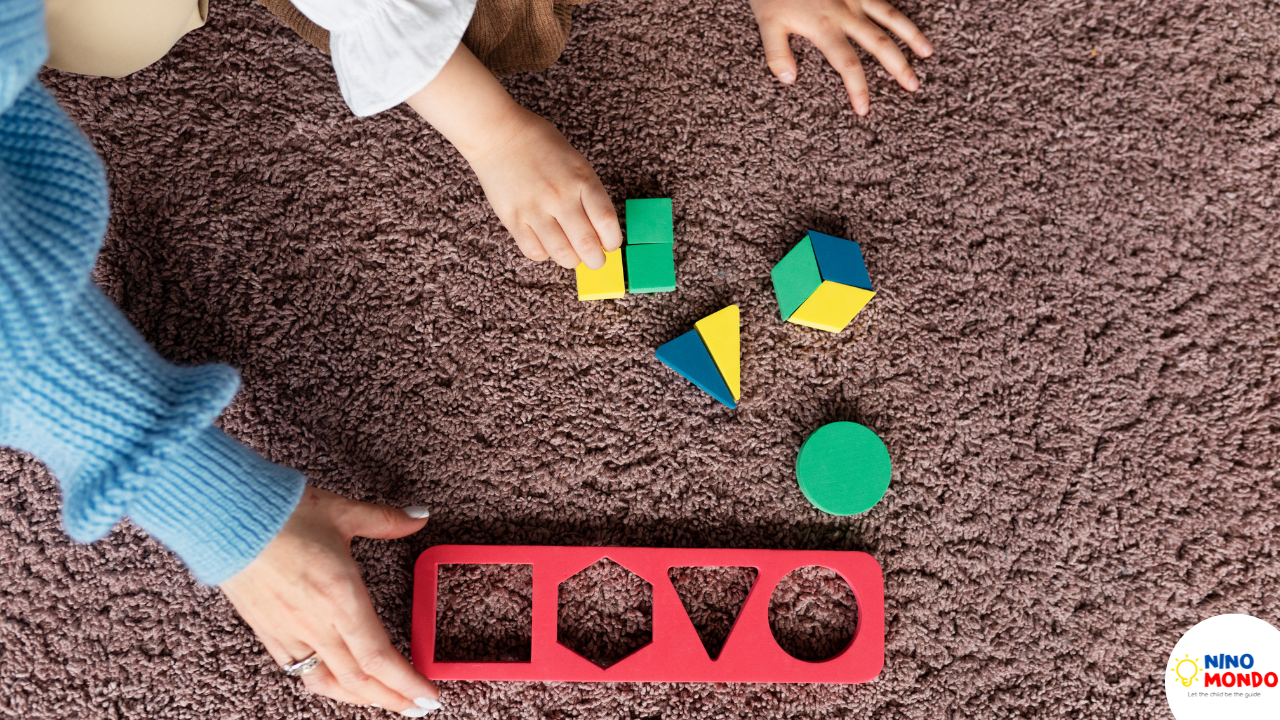
For every parent, the foremost focus is providing a healthy and nurturing environment for their children to develop and grow in the best possible way. Montessori philosophy has played a pivotal role in holistic learning for quite some time, and Montessori toys are integral to the approach.
These to...

Deciding on the right step to begin your child's journey in learning can be challenging. For all parents, it's a common emotion to set the appropriate foundation for their child's future.
The first few years are the formative days, and early childhood learning through the Montessori approach can ...
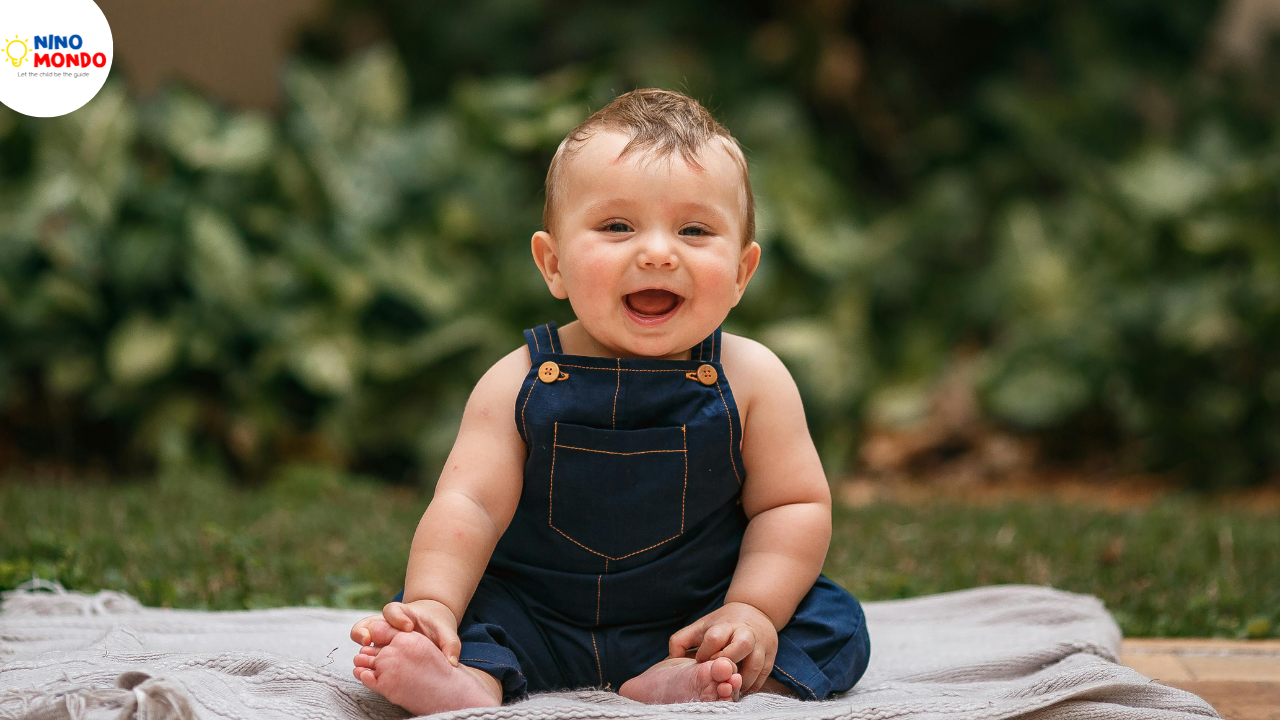
In the first years of life, the baby milestone your little one will reach is the ability to sit. Watching your baby develop new skills and explore new things is pretty intriguing and exciting.
Sitting up gives kids a different perspective on their exploration journey. But this happens differently ...

Ma, Da, Um… Gaga, Mama, Dada, Geegee, Neh, Eh, and so much more…
Sometimes, it sounds like soft or loud screeching noises, and sometimes, it’s the babbling of syllables- initially singular and then repetitive - these adorable baby sounds are the beginning of the beautiful story of your child’s comm...
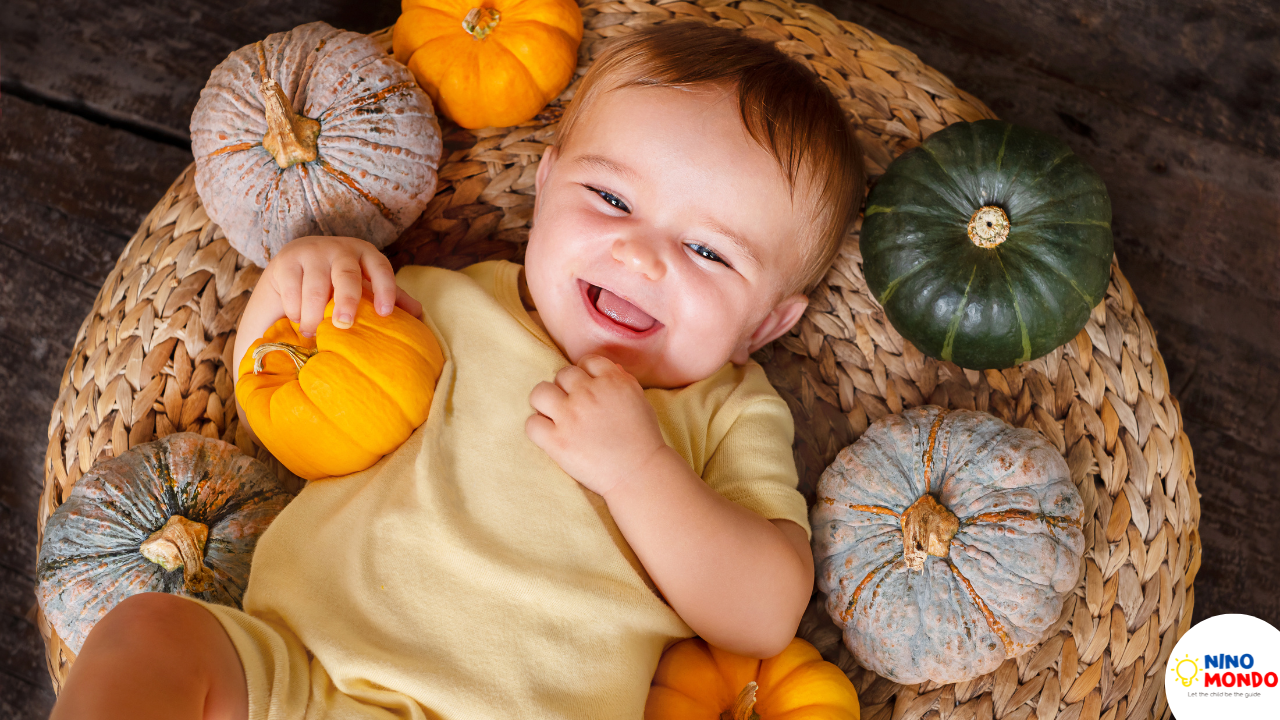
A child’s grasp development begins at birth and continues well into their toddler years. It is an incredible phase in their growing years, as you see your child taking their first step and holding your fingers in their tiny hands.
As the large muscles develop, helping your child master gross motor...
In the enchanting journey of parenthood, you slowly realise how helpful various Montessori activities are. As time passes, it will be the golden time when your child will utter their first words.
It's a common concern that often lingers in parents' minds, eagerly awaiting the moment of language d...
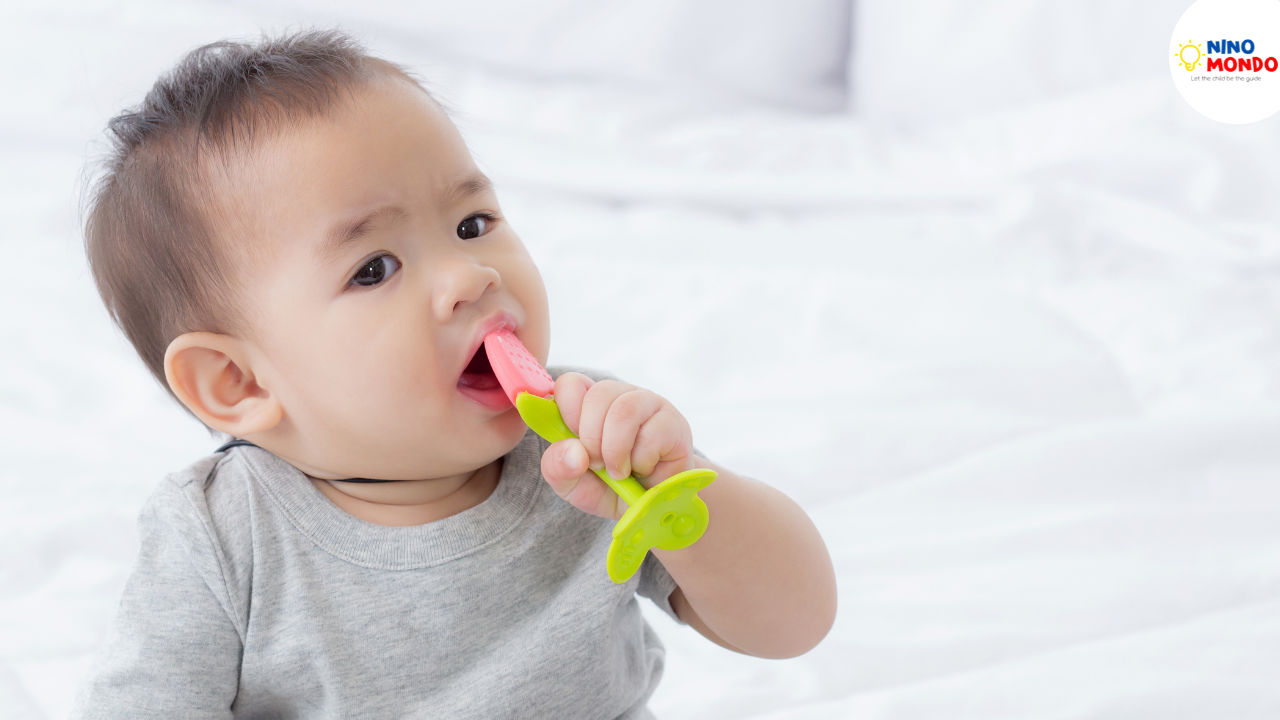
Imagine a situation when you go to a shop to get that favorite toy for your child and realize it's made of plastic. Suddenly, you start wondering if this is poisonous for your child or what happens if they put it in their mouth.
Aren't these some of the conventional concerns of a parent who is res...
"Children see magic because they look for it." - Christopher Moore
Montessori's views on the importance of providing real things and experiences to children are based on her understanding of child development. She believed that children's brains are wired to learn through their senses. When chi...
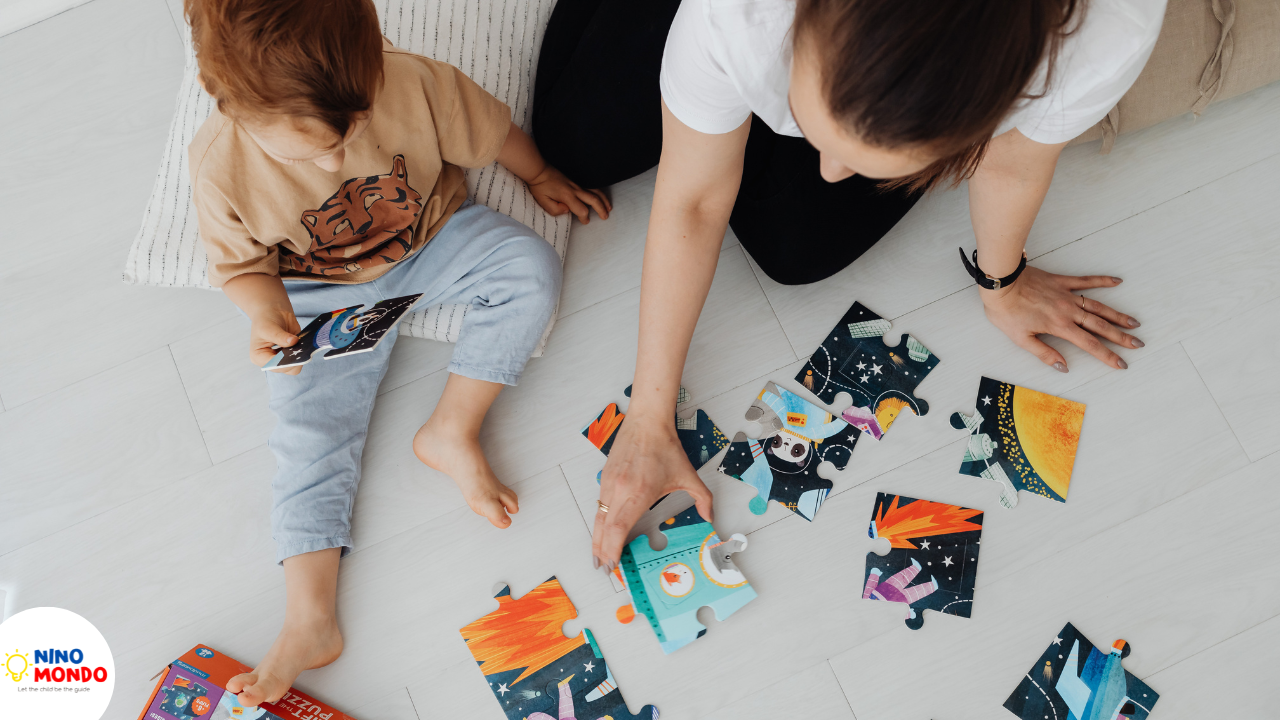
As parents, we all want our children to develop to their fullest potential, and cognitive skills play a vital role in this process. Cognitive development refers to mental processes such as attention, memory, problem-solving, and language that enable us to learn, think, and process information.
By ...
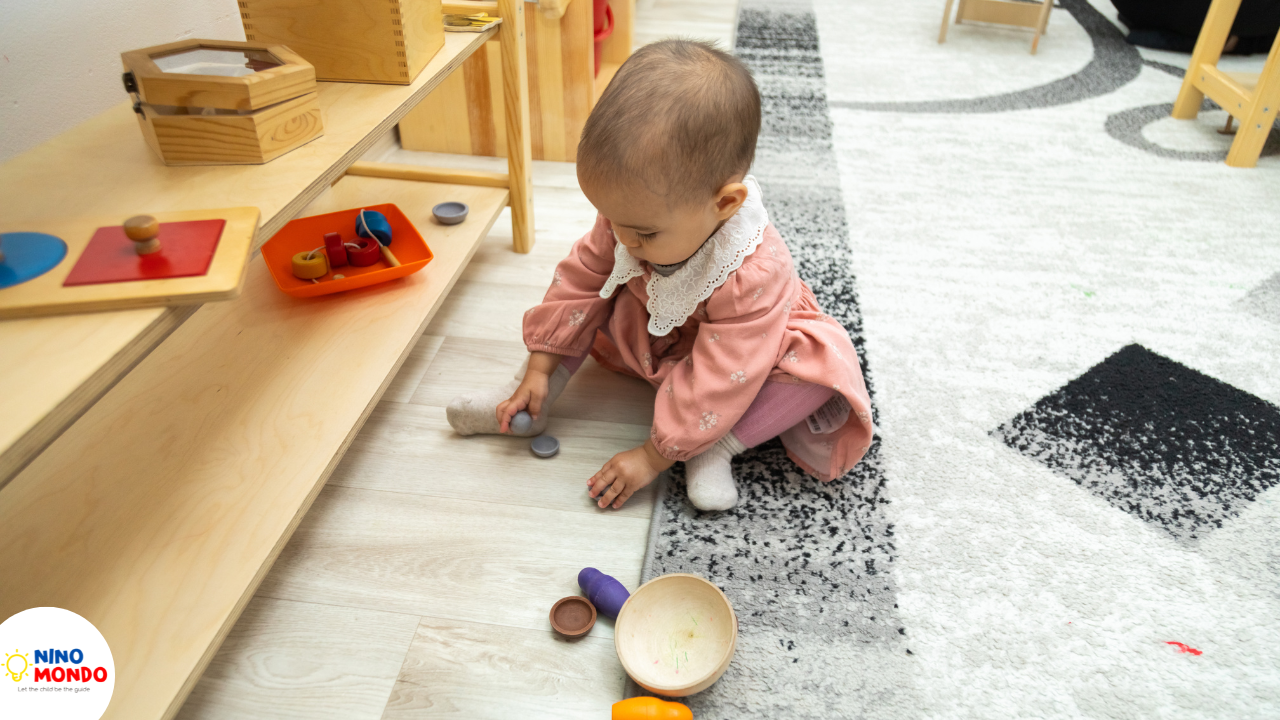
The Montessori educational system is based on the premise that children learn best through hands-on experiences and self-directed exploration. One of the Montessori approach's guiding concepts is the concept of "isolated work," which entails children focusing on one item or activity at a time. This ...
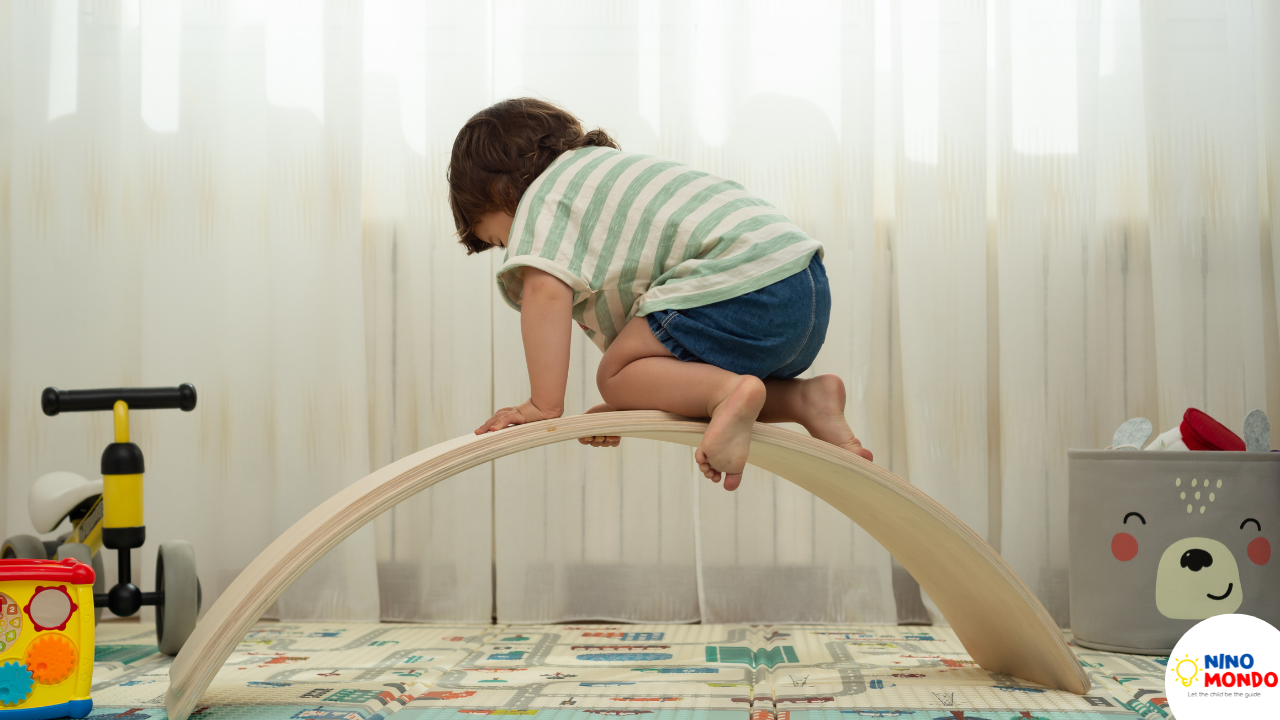
Crossing the midline refers to the development of gross motor skills, when children gain the ability to use both sides of the body together in a coordinated manner, particularly crossing the imaginary line down the center of the body.
It is an important developmental milestone that impacts many a...
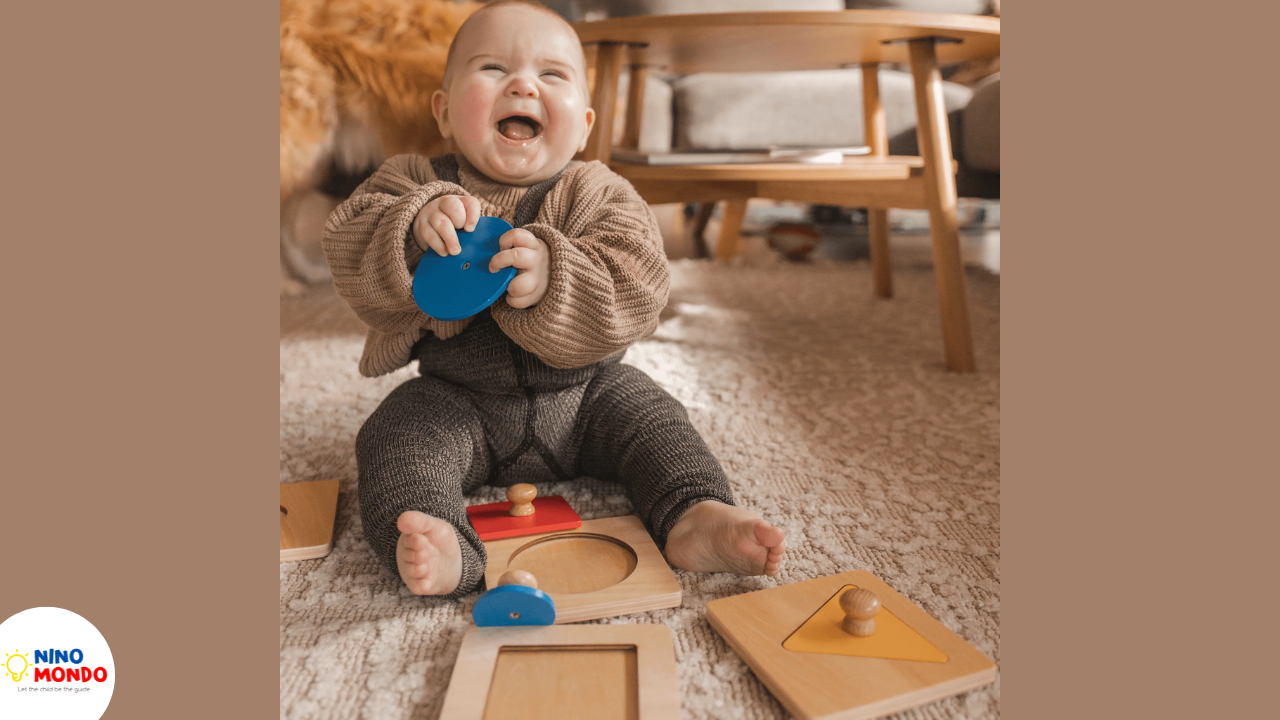
From the moment a child is born, they learn new things daily. Their brains are like sponges, soaking up information and experiences to help us grow and develop.
Among the most important skills we can help build in our children in their early years is their problem-solving ability and fine motor s...
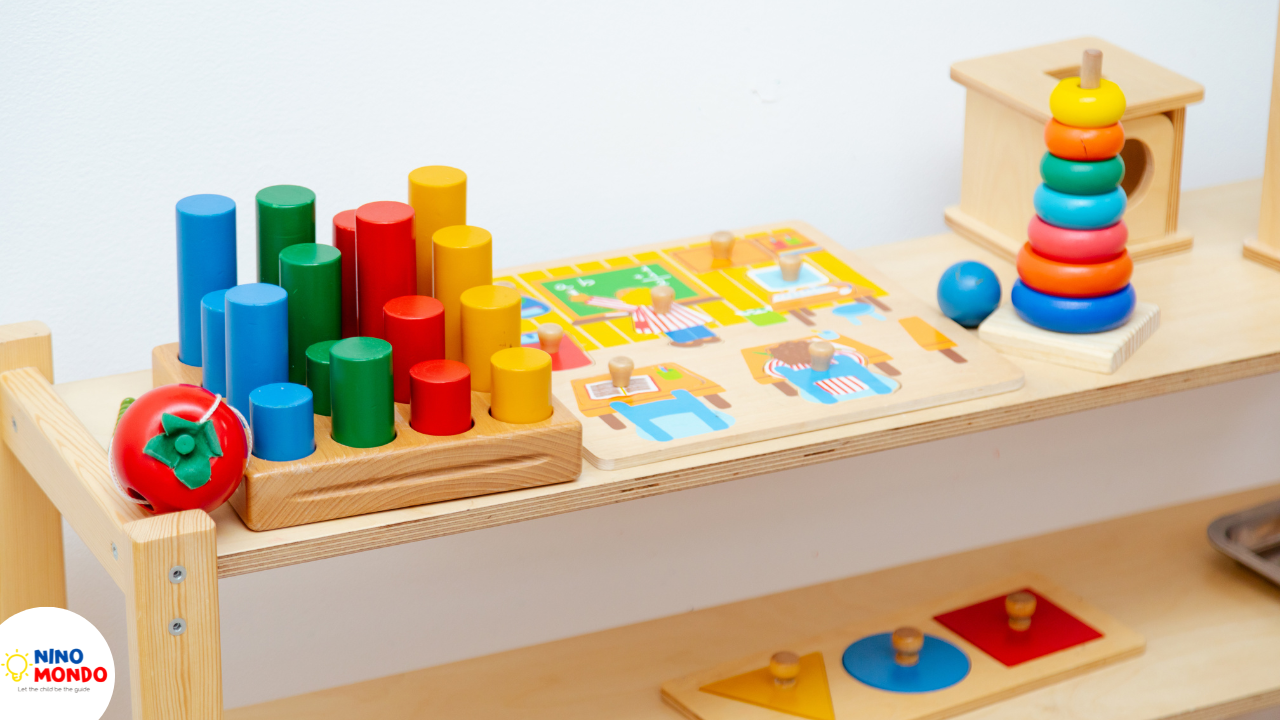
In Montessori theory, repetition is an essential component of the Montessori approach to education. Dr. Maria Montessori, the founder of the Montessori method, believed that repetition was critical to helping children develop their skills and gain mastery over their environment.
From the Maria Mon...
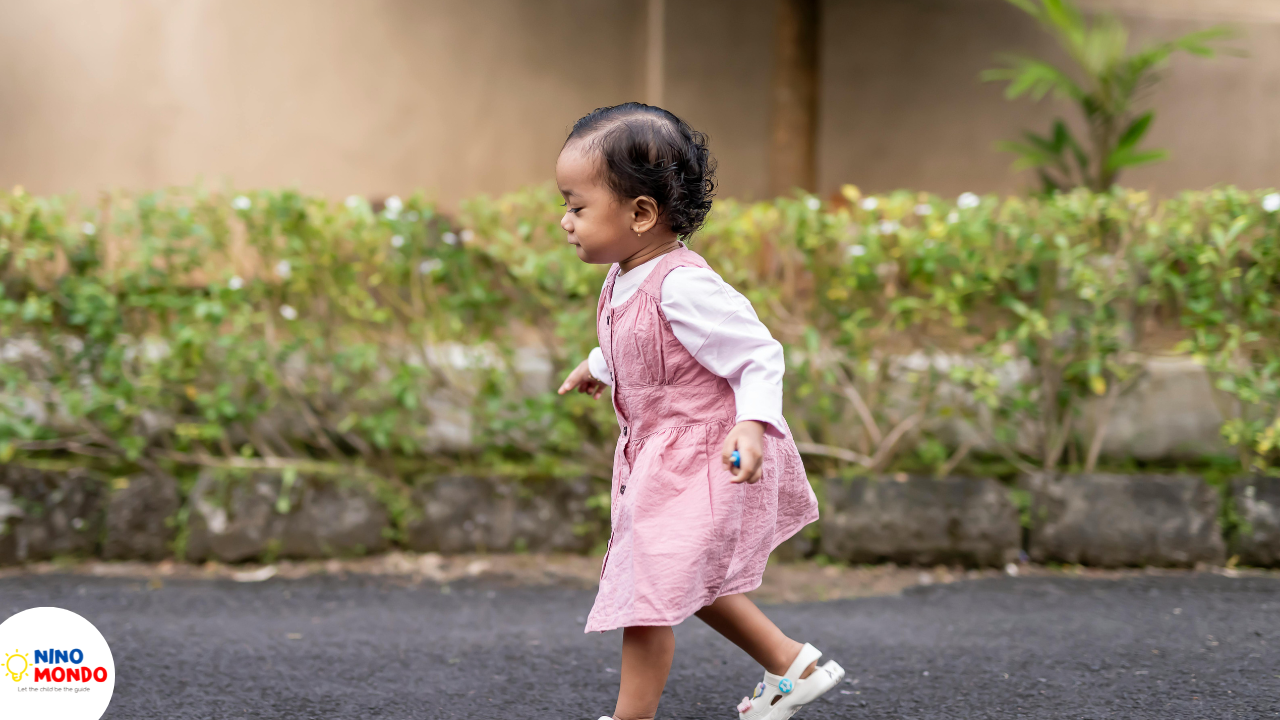
Movement is essential for the healthy development of the mind and body! 💪👶
Montessori's approach to child-led learning and education emphasizes the importance of movement from the newborn stage.
From gross motor skills development to cognitive abilities, movement plays a critical role in a baby...

Binocular vision development is a fundamental skill that is developed during infancy and early childhood.
As parents we often get amazed at how our children reach out for a toy with confidence—effortlessly making the right calculations.
That quiet magic comes from binocular vision. It’s one of th...
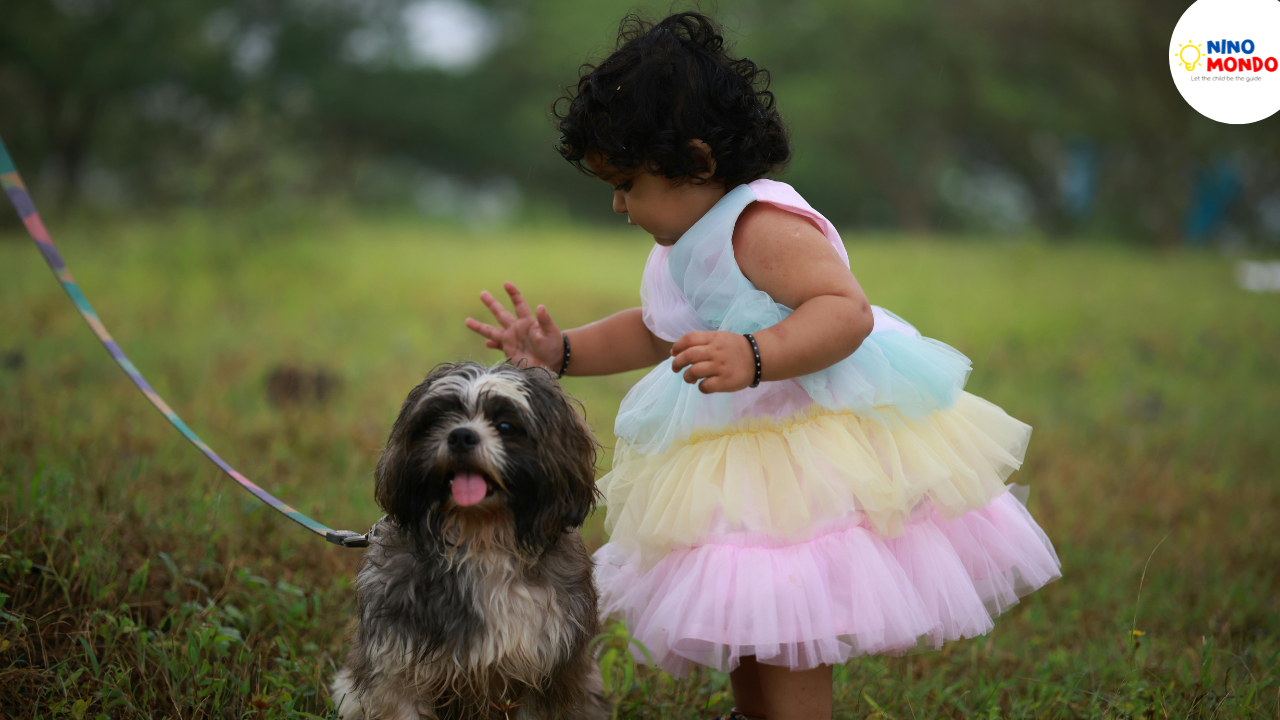
Children don’t grow in straight lines—they grow in beautiful bursts of curiosity. These are the different sensitive periods in child development. When a child shows a particular interest in one area of learning and development, for example, movement (crawling/ walking), language, stacking, lining up...
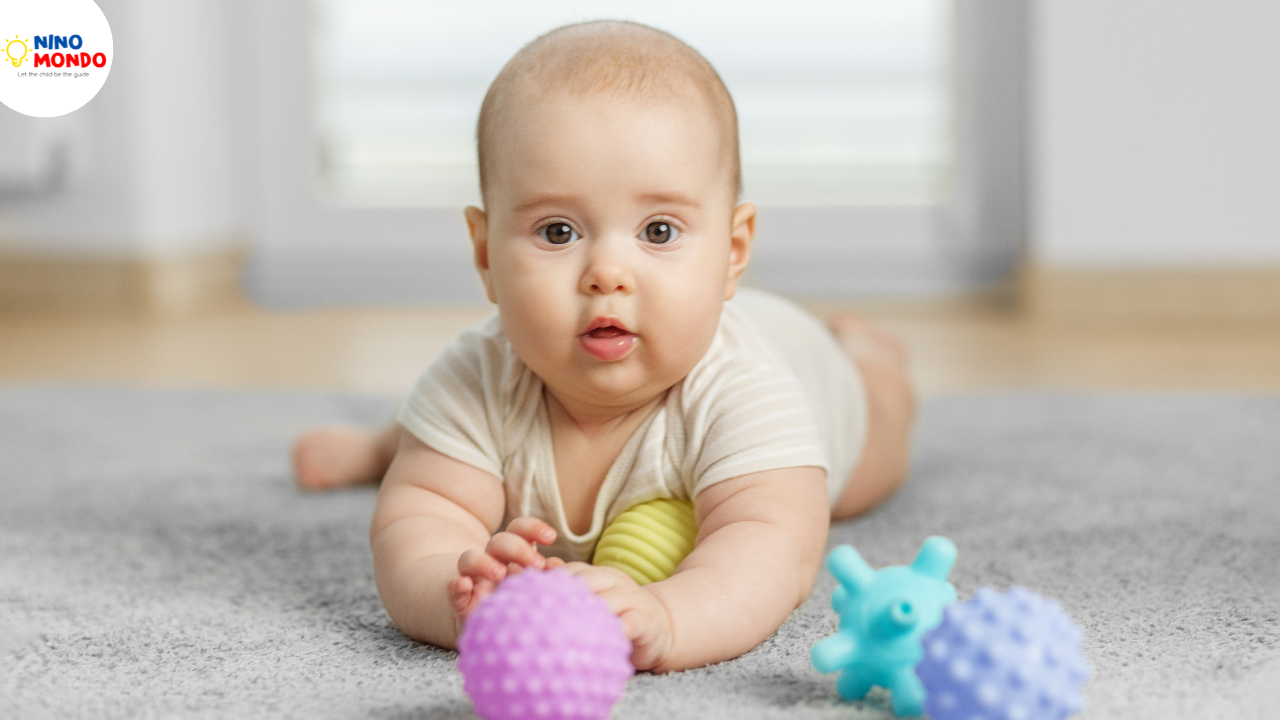
From the very first wiggles and tummy-time lifts, your child is discovering how their body moves through space—this is the beautiful work of proprioception.
Proprioception, otherwise known as kinesthesia, is the body’s ability to sense movement, action, and location. It’s the internal sense that te...
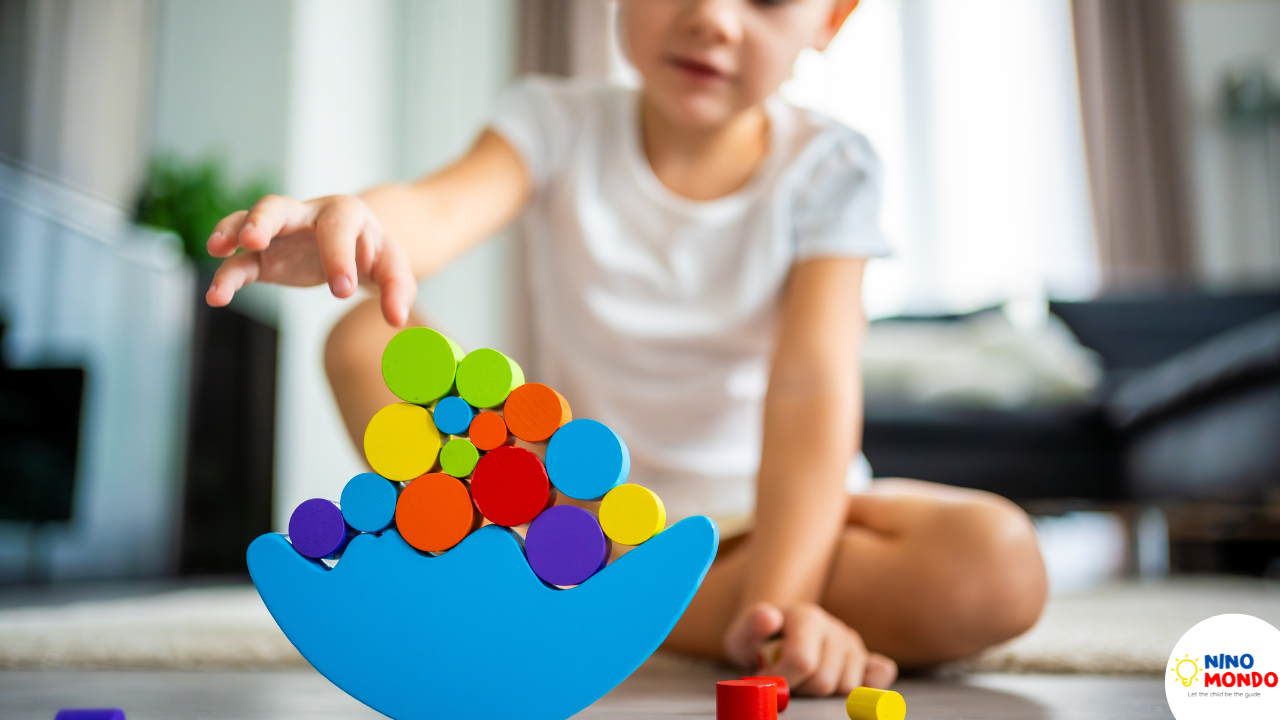
The 3D cylinder block puzzle is a Montessori sensorial material designed to engage the senses of sight and touch and introduce the child to the visual dimensions.
It has cylinders with knobs to hold each cylinder with the pincer grips. The cylinders differ in height and diameter and progress from...
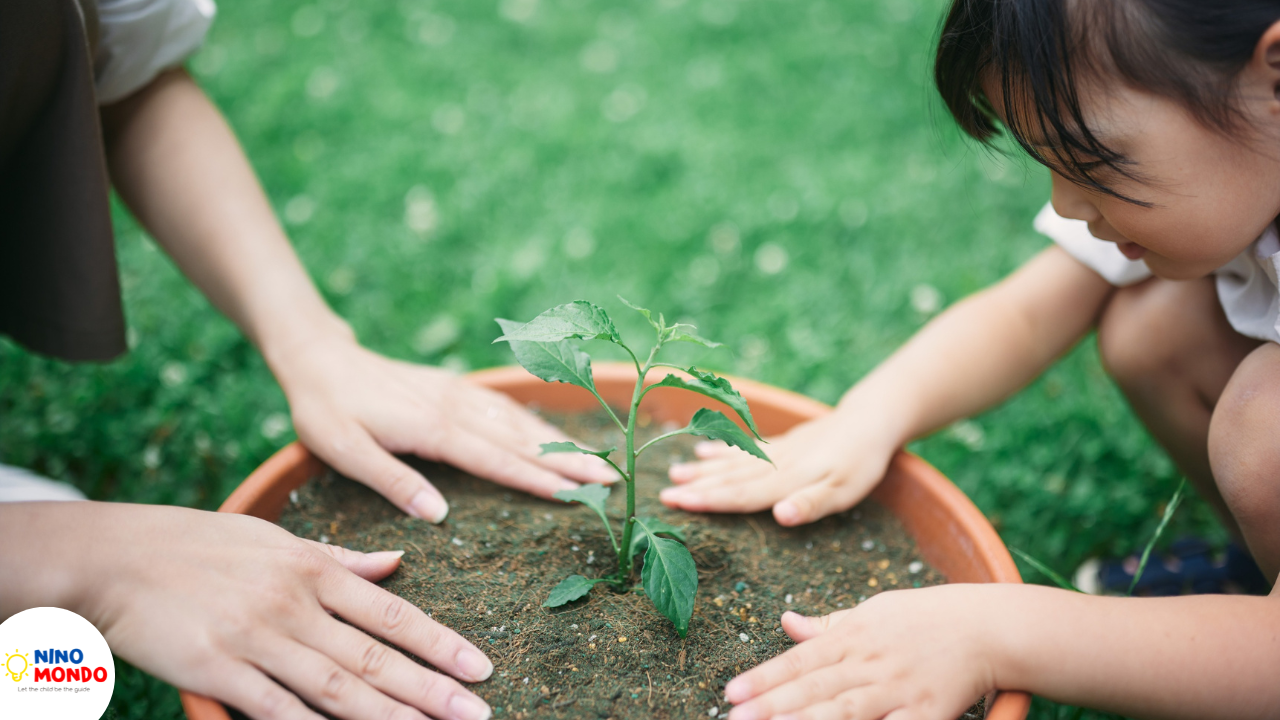
Cause and effect, the principle that one action can lead to another, plays a vital role in early childhood development. From the moment they are born, children begin to navigate the world and make connections between their actions and the outcomes they experience.
In this article, we will explore...