Parent Guide to What Is Scaffolding in Child Development
Sep 05, 2022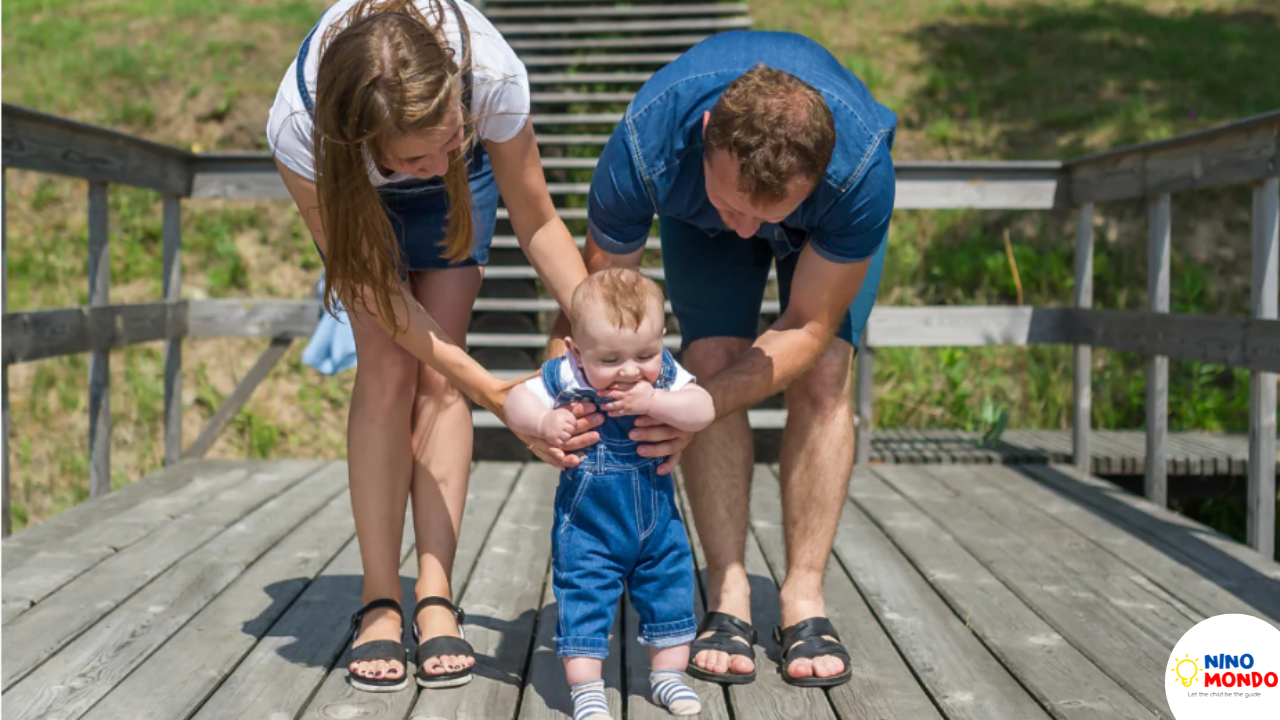
What makes scaffolding truly special for your child’s early development is that it meets your child exactly where they are developmentally. You offer help when needed, step back when they’re ready, and celebrate each attempt, not just the result.
Scaffolding is one of those beautiful, behind-the-scenes ways we support our children without even realising it.
It simply means giving just enough help for a child to succeed; not doing it for them, but guiding them until they can do it by themselves. Think of it as holding their hand lightly while they try something new, and slowly letting go as their confidence grows.
In early childhood, scaffolding shows up in the smallest moments: when you pause to let your toddler try putting on their shoes, when you break a task into tiny steps, or when you offer a hint instead of jumping in to fix a mistake. These gentle supports reassure your child, “You’re capable. I’m here. You can do this.” Over time, those small boosts help build independence, resilience, and the joy of learning.
This responsive, thoughtful approach doesn’t just teach skills; it strengthens connection. And in a Montessori-inspired home, scaffolding becomes part of everyday life, allowing your child to grow through real experiences, real challenges, and real victories at their own pace.
Scaffolding and early childhood development
Scaffolding offers children the right help at just the right time in the right way.
Decoding what is scaffolding in the simplest way: When children are given the support they need while attempting to learn a new concept or activity, they stand a better chance of using that knowledge independently.
Understanding how to scaffold can help you become more intentional in your interactions with your child when they are learning something new. This way, you develop the awareness and opportunities to scaffold in your everyday interactions.
Scaffolding will help you to help your child carry out a task or job that is slightly beyond their current abilities.
Unlocking what is scaffolding and how it can be introduced
Here are some ways in which you effectively scaffold and prepare your child better:
Direct Demonstration: Showing how to do something (E.g., showing how to stack rings)
Specific Instruction: “Get me the ball.”
General Instructions: “You give it a try.”
Gestures: Offering your hand when the child is learning to walk.
Encouragement: Saying things like: “You’ve got this, Keep going.” “Almost There. You did it.”
By understanding what is scaffolding and implementing it, you create a pathway between what your child already knows and something new they are attempting to understand and learn.
Successful scaffolding occurs in the Zone of Proximal Development (ZPD), which is the difference between what a child can do and learn on their own and what they can do and learn with the help of someone or a more knowledgeable other.
It is vital for parents to fully understand what is scaffolding first and then adopt different ways that will suit their children’s learning pace and style. It requires a good understanding of your child’s current interests, whether they are keen on doing the activity, and what your child’s learning style is. Parents must be realistic about the child’s development stages and learning capabilities. Depending on this, you may need to adjust how you scaffold and impart necessary skill development.
Scaffolding helps build self-confidence and motivation in the child and helps the child learn more than they might have on their own. Through scaffolding, children learning how to do something independently become children-friendly. It produces immediate results and instills the skills necessary for independent problem-solving in the future.
Scaffolding is situational and need-based and must be gradually lessened as the child gains mastery.
Therefore, engaging in play with the child and building from there is essential. Once you fully comprehend what is scaffolding, aligning playing and learning will become fruitful.
Don't miss a beat!
New moves, motivation, and classes delivered to your inbox.
We hate SPAM. We will never sell your information, for any reason.